The Boys’ Brigade Kenya (BBK) is an Interdenominational Disciplined Christian Organization

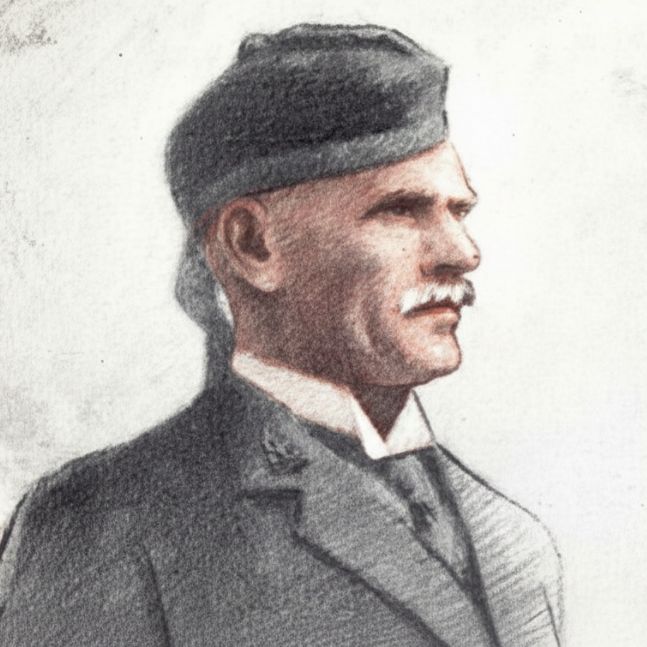
Sir William A. Smith Founder of The Boys’ Brigade in Glasgow, Scotland (1883)
The Leadership Organogram:
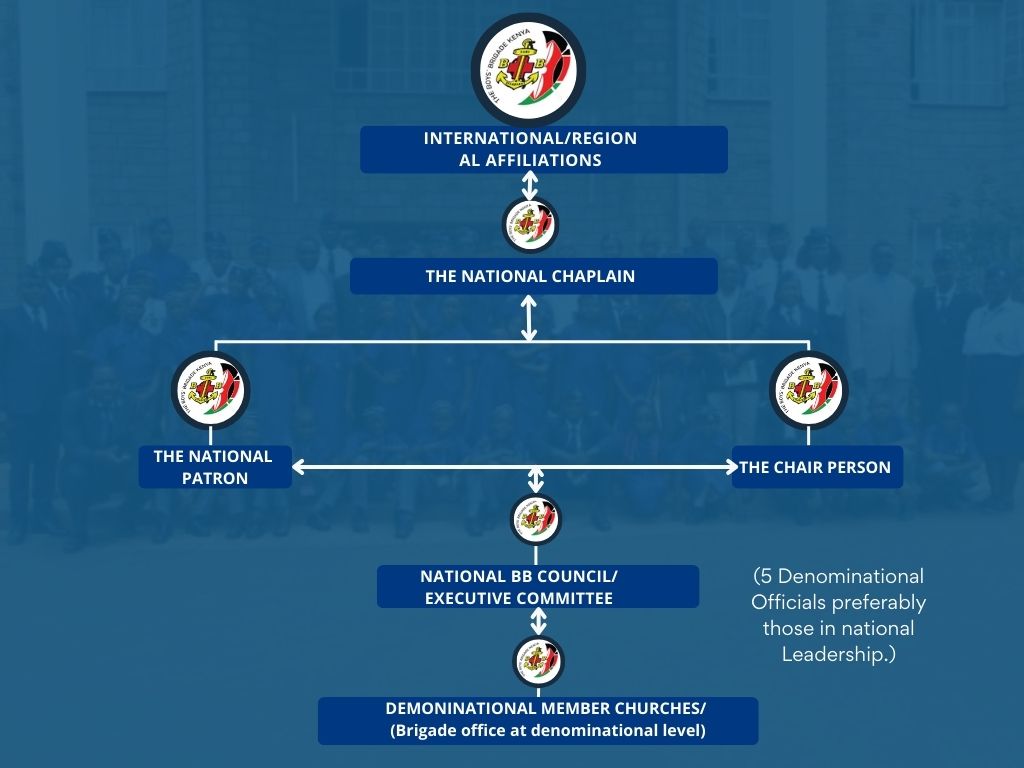
The Boys’ Brigade Kenya (BBK) is an Interdenominational Disciplined Christian Organization
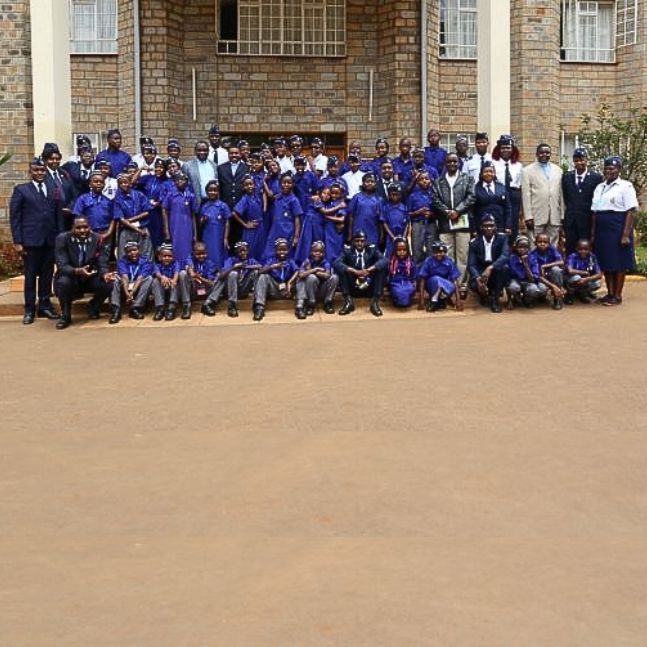
The Boys’ Brigade Kenya (BBK) is an interdenominational and disciplined Christian organization dedicated to shaping young people into morally grounded, responsible, and service-oriented leaders. Guided by strong Christian values, we provide a structured environment that cultivates character, skills, and leadership. Our organizational framework is closely aligned with that of the Scouts and Girl Guides, ensuring a well-established and holistic approach to youth development.
The Boys’ Brigade Kenya (BBK) is a national, interdenominational organization whose membership is drawn from five mainstream churches in Kenya. These denominations include:
The East African Regional Fellowship (EARF) is a regional body that brings together the National Brigade Councils of East African countries where the Boys’ Brigade is established. Member countries include:
EARF is an East African regional organization formed by National Brigade Councils from East African countries that have Brigade, These include-:
Sir William A. Smith Founder of The Boys’ Brigade in Glasgow, Scotland (1883)
The Boys’ Brigade was founded in Glasgow, Scotland, by Sir William Alexander Smith on 4 October 1883. Its purpose was to develop Christian character and discipline in boys through a structured program that included semi-military order, gymnastics, summer camps, religious services, and Bible classes. By 1910, the movement had grown to approximately 2,200 companies across the United Kingdom, the British Empire, and the United States, with over 10,000 officers and 100,000 boys.
In May 1903, Robert Baden-Powell became Vice President of The Boys’ Brigade. In this role, he worked alongside schools including Eton,to promote scouting and outdoor activities modeled on military principles, which later contributed to the development of the Scouting movement.
In Kenya, The Boys’ Brigade was first introduced in 1909 by Scottish missionaries at the P.C.E.A. Church of the Torch in Kikuyu, Central Kenya. This initial effort was short-lived. In 1958, the National Council of Churches of Kenya (NCCK) invited the international Boys’ Brigade body to reintroduce the movement in the country.
In the mid-1960s, John Chapel was sent by the World Conference, now known as the Global Fellowship (GF) to revive the work of the Brigade in three mainstream churches: the Methodist Church in Kenya (MCK), the Church of the Province of Kenya (CPK, now ACK), and the Presbyterian Church of East Africa (PCEA). His mission was successful.
After Chapel’s departure in 1973, Sir William Kithara took over leadership. Under his guidance, the organization expanded significantly, including its introduction into the AIPCA and ACC&S churches. William Kithara served as the BBK National Coordinator until his retirement in 2008. The current National Coordinator is Sir Charles Ng’ang’a, who has served in this role since 2012.
Each denomination has its own Brigade Council responsible for managing Brigade affairs within its respective church. The top leadership from each denominational council forms the National Council of The Boys’ Brigade Kenya (BBK), the apex body responsible for national-level decisions.
The BBK is governed by a National Council of twenty-five members: five representatives from each of the five denominational councils. An Executive Committee, selected from the National Council, oversees the day-to-day operations. The National Coordinator, an employee of the National Council, executes policy decisions and manages daily organizational functions. All five denominations use a common uniform for officers and members. They also share standardized officer training, Training of Trainers (TOT) programs, and joint workshops and events for young leaders. Today, there are more than 10,000 officers and a growing membership across the country.